Best Time for Natural Gas Piping Installation
Installing natural gas pipings requires careful planning to ensure safety, efficiency, and compliance with regulations. The optimal timing for installation depends on various factors including weather conditions, project scope, and infrastructure readiness.
Spring and fall are generally considered ideal times for natural gas piping projects due to moderate weather conditions that facilitate safer and more efficient work.
Avoiding extreme temperatures and heavy precipitation minimizes delays and safety risks during installation.
Scheduling during periods with fewer permit delays and available workforce can streamline the process.
Temperatures influence the flexibility and installation of piping materials, making moderate weather preferable.
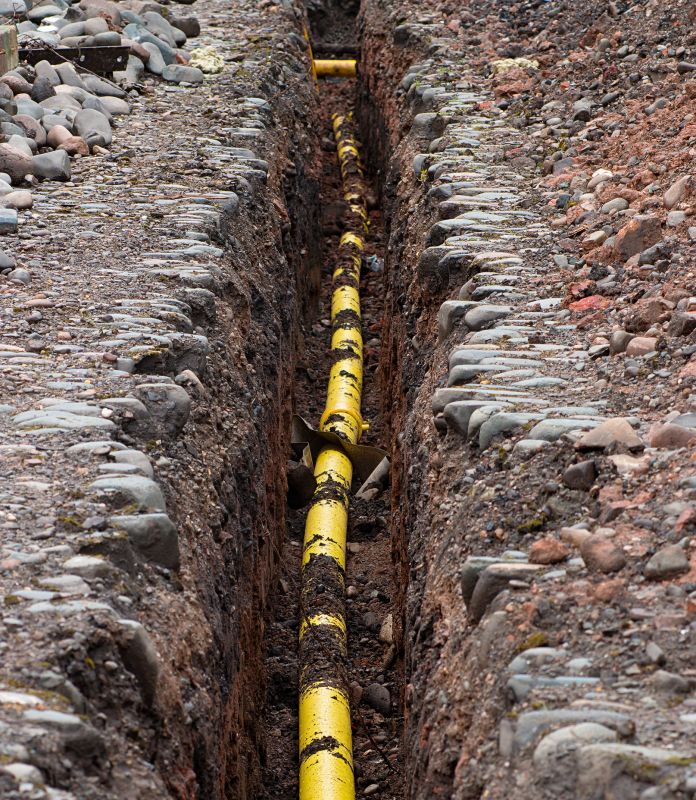
An outdoor installation site with visible piping infrastructure.
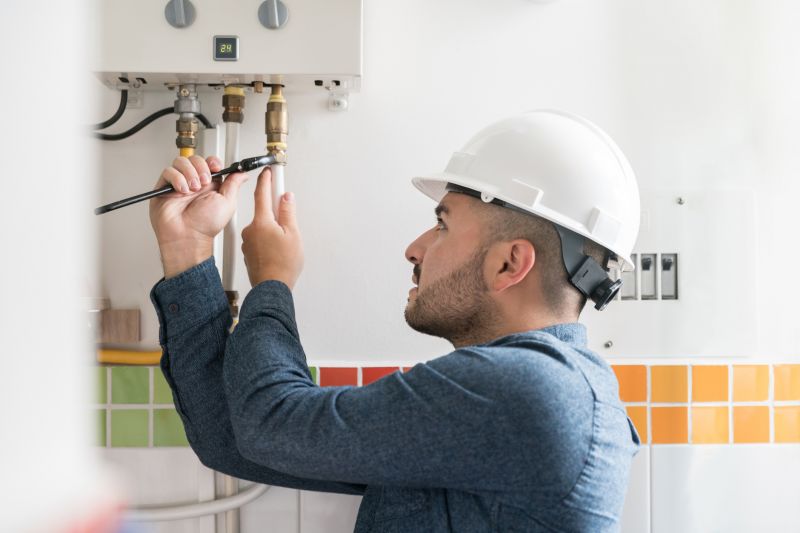
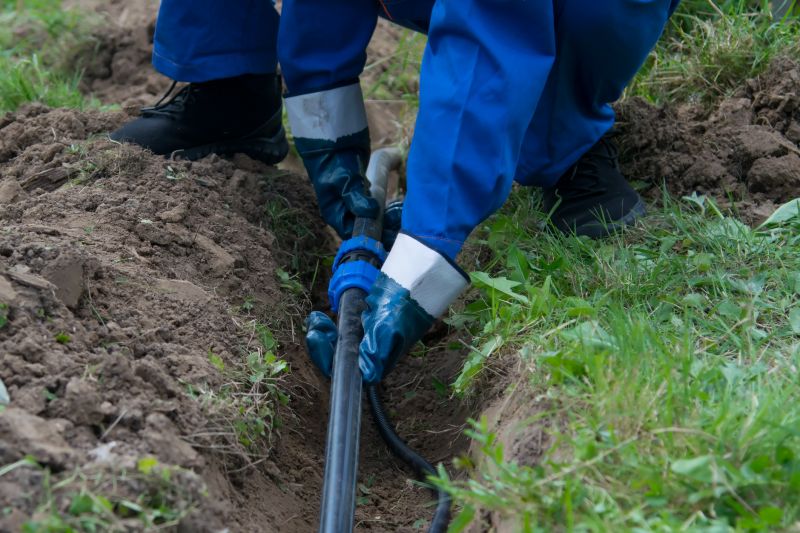
Workers installing or inspecting gas pipelines in favorable weather.
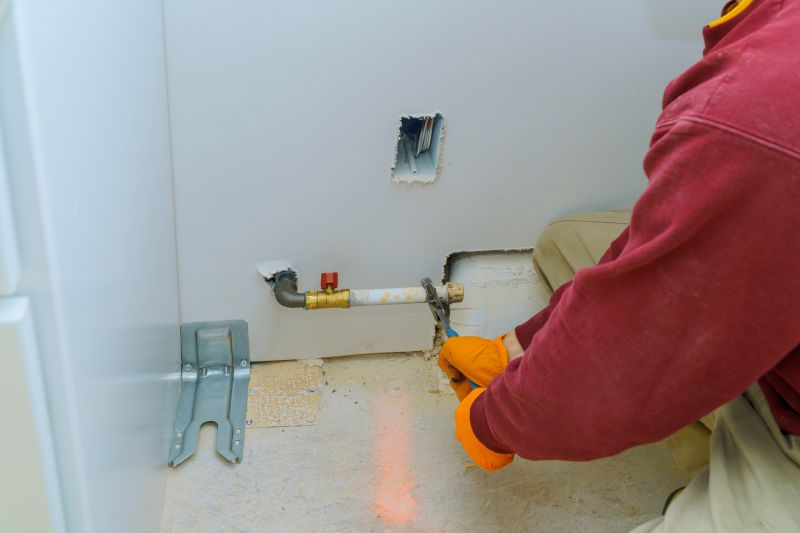
Close-up of piping materials and installation tools.
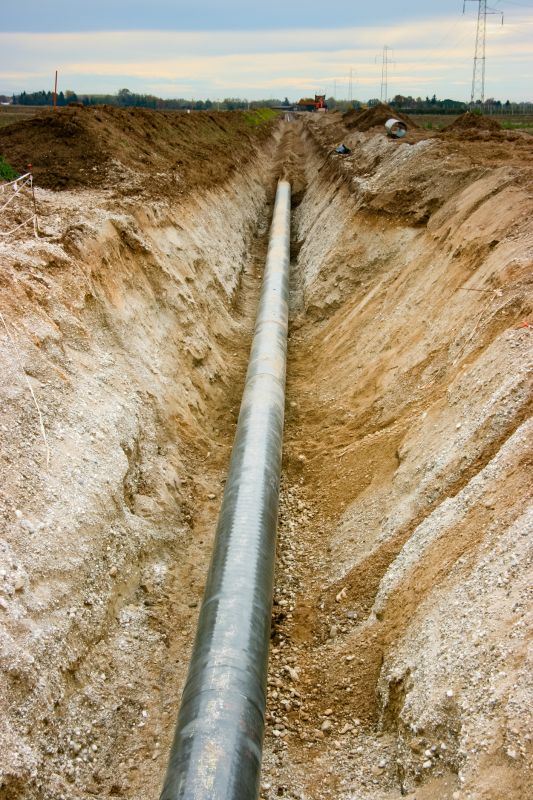
Ways to make Natural Gas Pipings work in tight or awkward layouts.
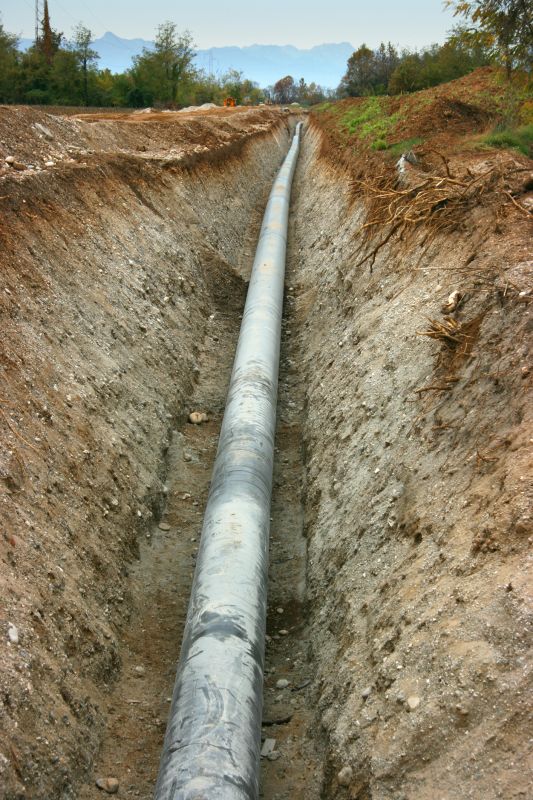
Popular materials for Natural Gas Pipings and why they hold up over time.
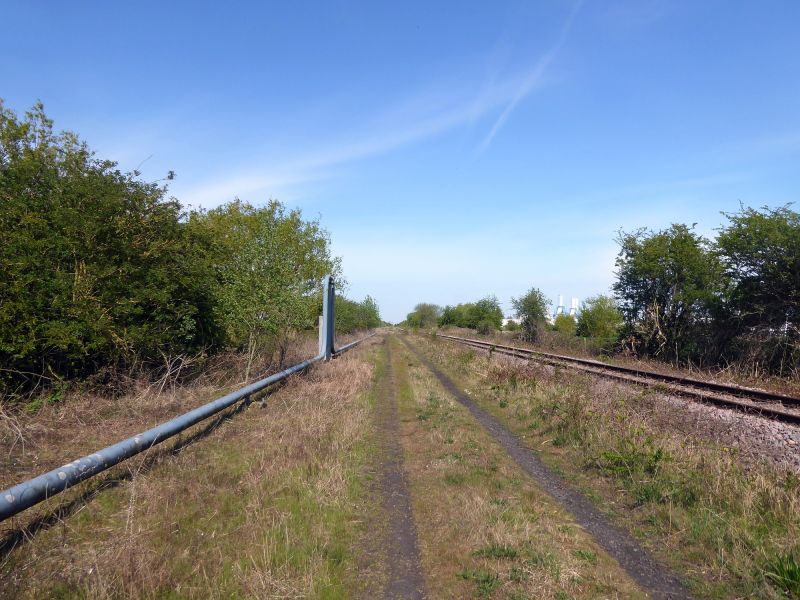
Simple add-ons that improve Natural Gas Pipings without blowing the budget.
| Factor | Consideration |
|---|---|
| Weather Conditions | Moderate temperatures reduce risks and improve work conditions. |
| Project Scope | Larger projects may require scheduling over multiple seasons. |
| Material Handling | Temperature-sensitive materials are best installed in stable weather. |
| Permitting Process | Permit approvals can influence the timing of installation. |
| Workforce Availability | Scheduling during peak workforce periods ensures timely progress. |
| Utility Coordination | Aligning with utility schedules minimizes delays. |
| Safety Regulations | Compliance is easier to maintain in favorable weather. |
| Environmental Factors | Avoiding seasons with high precipitation or storms. |
Statistics show that installation delays due to weather can increase project costs and extend timelines. Planning during optimal seasons helps mitigate these risks, ensuring that natural gas infrastructure is reliable and compliant with safety standards. Properly timed installations also facilitate easier inspections and connections to existing utility networks.
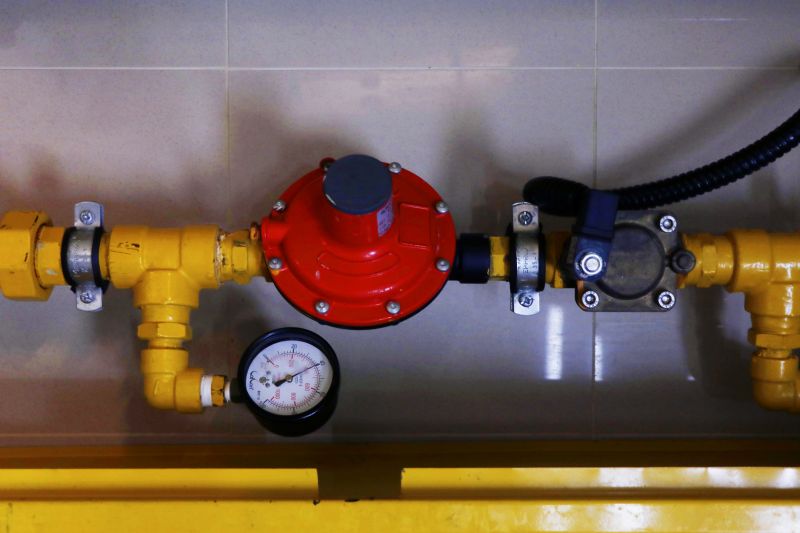
Diagram illustrating the layout of natural gas pipelines.
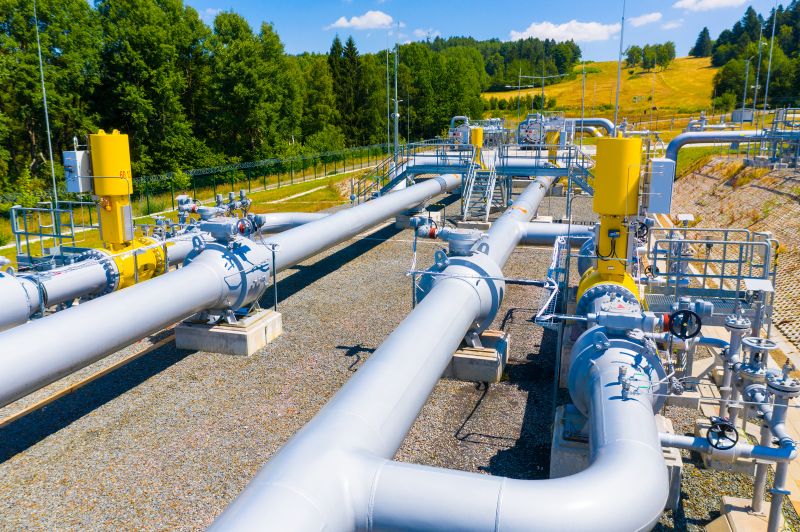
Tools and machinery used for piping installation.
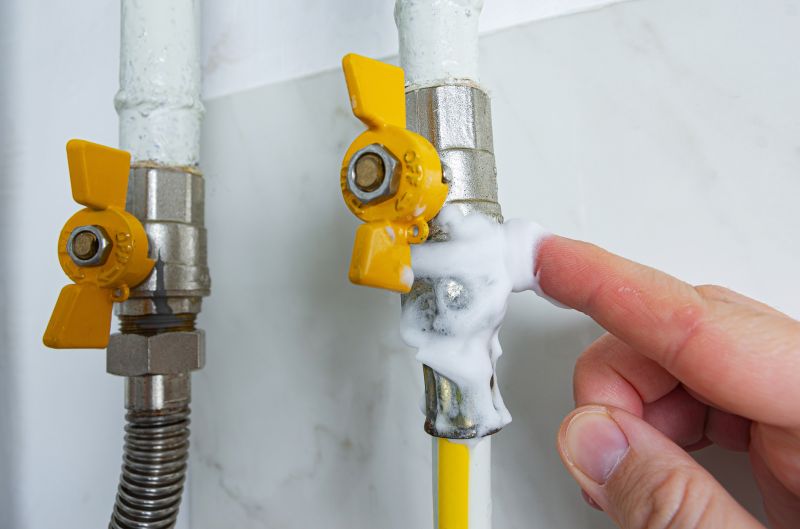
Technicians inspecting installed piping systems.
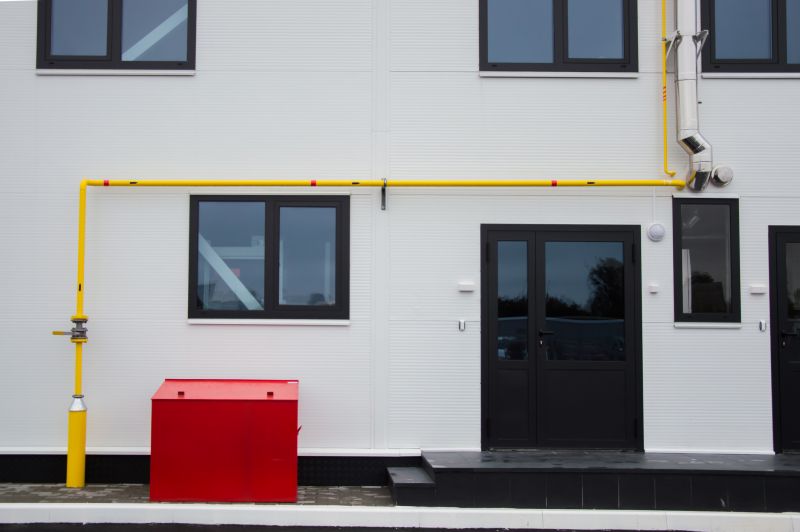
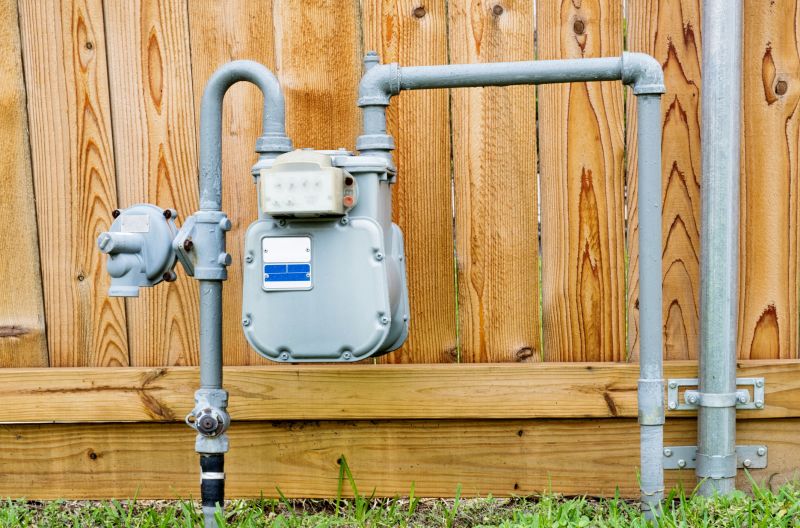
Finished installation with safety valves and meters.
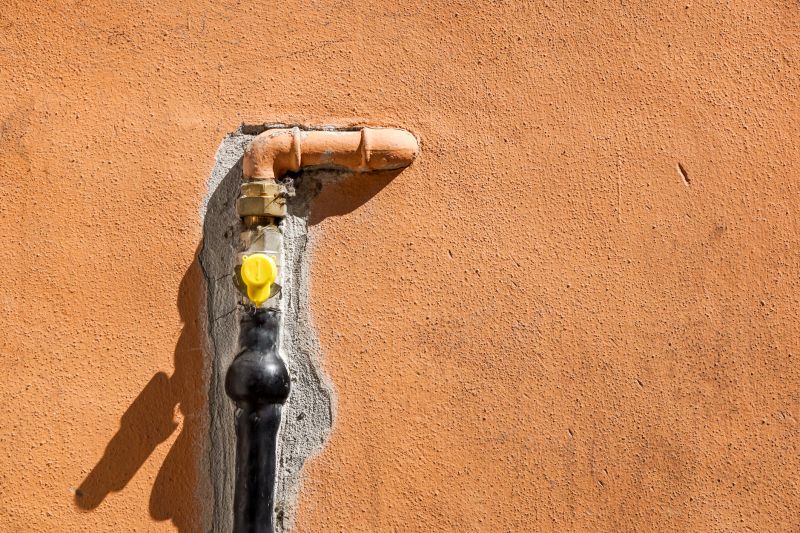
High-end options that actually feel worth it for Natural Gas Pipings.
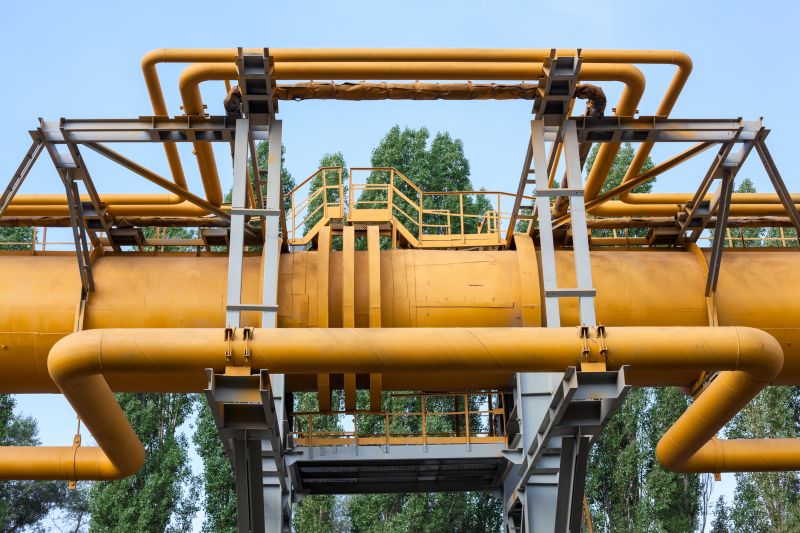
Finishes and colors that play nicely with Natural Gas Pipings.
Little measurements that prevent headaches on Natural Gas Pipings day.
A 60-second routine that keeps Natural Gas Pipings looking new.
Interested parties are encouraged to contact for further details on scheduling and project planning. Proper timing and preparation are key to ensuring a safe and efficient natural gas piping installation process.