Get Gas Line Relocation
Gas line relocation services help property owners safely move or adjust gas lines for renovations, new constructions, or safety improvements, handled by experienced local contractors.
Planning a property improvement or renovation project often involves considering the relocation of existing gas lines to ensure safety, compliance, and optimal layout. Property owners in the area may explore gas line relocation services to accommodate new construction, expand outdoor spaces, or improve overall property functionality. Navigating these projects requires understanding local options and finding experienced service providers who can handle the complexities involved. Keep reading to learn how local contractors can assist with safe and efficient gas line adjustments tailored to your property's needs.
Choosing the right professionals for gas line relocation can make a significant difference in the success of your project. By comparing local service providers, property owners can find experienced contractors capable of managing the planning and execution of gas line adjustments with precision. Whether for residential or commercial properties, connecting with the right experts ensures your project aligns with safety standards and local regulations. Continue exploring to discover how local contractors can support your property development goals.
- Gas Line Relocation for Renovations - when remodeling a property that requires rerouting existing gas lines to new locations.
- Emergency Gas Line Moving - in cases where a gas line has been damaged or needs urgent repositioning for safety reasons.
- New Construction Gas Line Installation - during the development of new buildings that require initial gas line setup and routing.
- Property Expansion Gas Line Adjustment - when expanding a property and needing to extend or relocate gas lines to accommodate new structures.
- Gas Line Upgrades or Replacements - when upgrading outdated lines or replacing old piping to meet current safety and code standards.
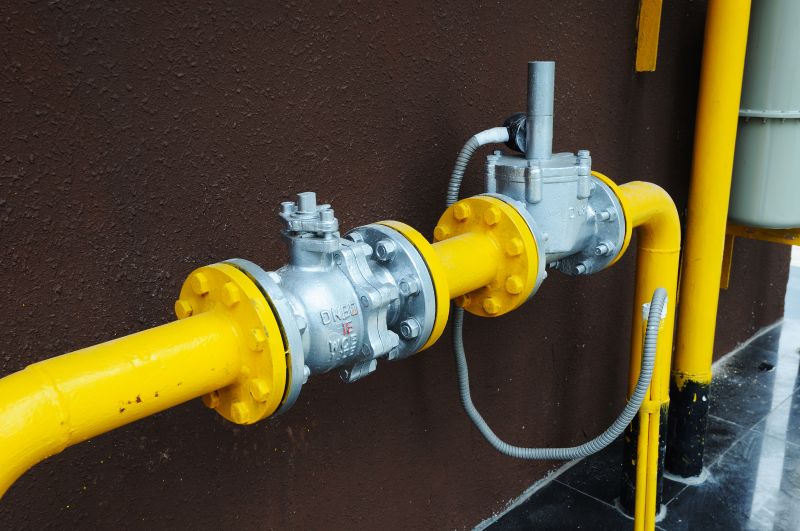
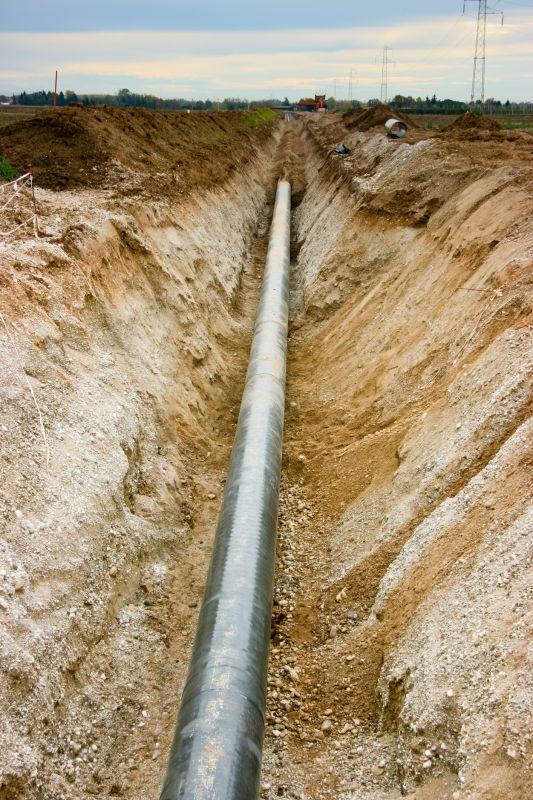
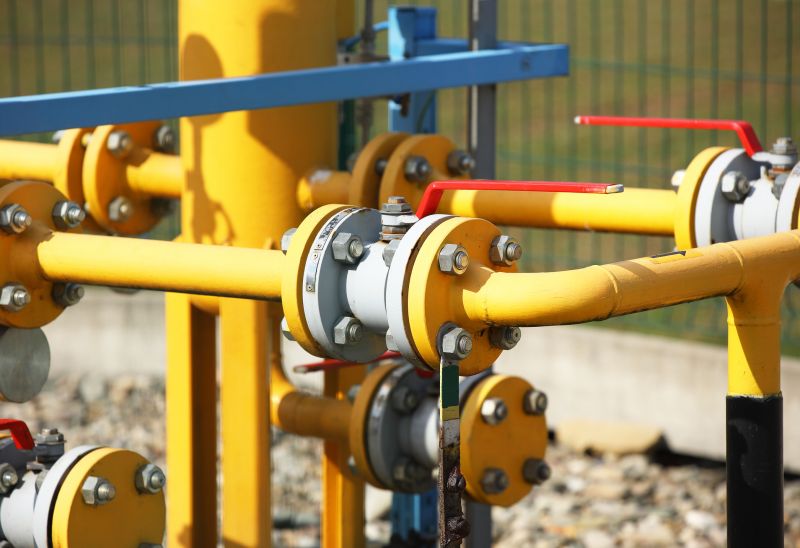
Gas line relocation services involve the process of safely moving existing natural gas lines from one location to another on a property. This work is often necessary when homeowners plan to renovate, expand, or alter their homes, such as adding new rooms, garages, or outdoor features that interfere with the current gas line placement. Skilled service providers handle the entire process, which includes planning the new route, excavating the area, carefully disconnecting and rerouting the gas lines, and ensuring everything is properly connected and tested for safe operation. This service helps ensure that gas lines are positioned correctly for functional and safety reasons, reducing the risk of leaks or other issues down the line.
Relocating a gas line can help solve several common problems homeowners face. For example, if a gas line runs through a new driveway, patio, or foundation area, it may need to be moved to prevent damage or interference with construction projects. In some cases, existing gas lines may be too close to new structures, creating safety concerns or violating local codes. Gas line relocation also addresses issues related to aging or damaged pipes, providing an opportunity to upgrade or replace outdated infrastructure. By working with experienced contractors, property owners can ensure their gas lines are properly positioned to support appliances, outdoor grills, or other utilities without compromising safety or functionality.
This service is frequently used on residential properties, especially those undergoing significant renovations or expansions. Homes with large yards or outdoor living spaces often require gas line rerouting to accommodate new features like outdoor kitchens, fire pits, or heating systems. Additionally, properties with older gas infrastructure may need to have lines moved or upgraded to meet current safety standards. Commercial properties, such as restaurants or industrial facilities, also sometimes require gas line relocations to support new equipment or layout changes. Overall, any property that needs to modify or improve its gas supply infrastructure can benefit from professional gas line relocation services.
When considering gas line relocation, property owners should be aware that the process involves careful planning and expert execution to ensure safety and reliability. It is typically needed when existing gas lines interfere with construction projects, are outdated, or pose potential hazards. This service helps prevent accidental damage during renovations and ensures that gas lines are properly positioned for optimal use and safety. Whether for a residential home, a commercial building, or an outdoor installation, local service providers can handle the job efficiently. Contacting qualified contractors can help determine the best approach for your property’s specific needs, making sure the gas infrastructure is correctly and safely installed for years to come.
The overview below groups typical Gas Line Relocation projects into broad ranges so you can see how smaller, mid-sized, and larger jobs often compare in your area.
In many markets, a large share of routine jobs stays in the lower and middle ranges, while only a smaller percentage of projects moves into the highest bands when the work is more complex or site conditions are harder than average.
Smaller Repairs - Typical costs for minor gas line relocations often range from $250 to $600. Many routine jobs fall within this middle range, with fewer projects reaching the higher end of the spectrum.
Mid-Size Projects - Medium-scale relocations usually cost between $600 and $2,000. These projects involve more extensive work but are still common among local service providers handling standard jobs.
Large or Complex Jobs - Larger, more complex gas line relocations can range from $2,000 to $5,000 or more. Such projects often require additional planning and materials, pushing costs into higher tiers.
Full Replacement - Complete gas line replacements or significant overhauls typically start around $5,000 and can exceed $10,000 for very extensive work. These are less common but represent the upper end of typical project costs.
Actual totals will depend on details like access to the work area, the scope of the project, and the materials selected, so use these as general starting points rather than exact figures.
Underground Utility Line Installation - local contractors can handle the installation and rerouting of underground utility lines, including gas, water, and electrical systems, requiring similar planning and excavation skills.
Drainage System Relocation - relocating drainage and sewer lines involves excavation and careful planning, paralleling the skills needed for gas line rerouting projects.
Foundation Excavation and Repair - foundation work often requires precise excavation and planning, similar to the groundwork involved in gas line relocation.
Electrical Conduit Installation - installing or relocating electrical conduits involves trenching and careful coordination, akin to gas line rerouting efforts.
Water Line Replacement - replacing or rerouting water lines involves excavation and planning, sharing techniques with gas line relocation services.
Landscape and Hardscape Alterations - modifications to landscapes or hardscapes often require utility adjustments, including gas lines, involving similar planning and excavation skills.
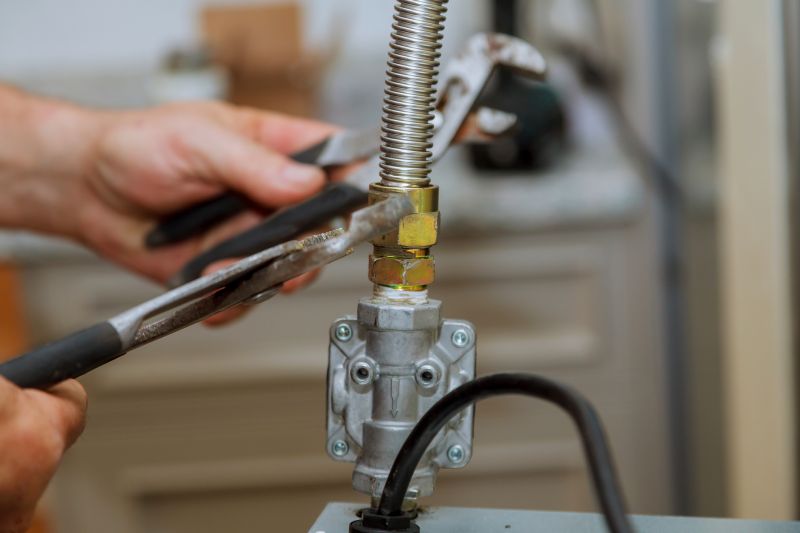
When comparing service providers for gas line relocation, it is important to consider their experience with similar projects. Homeowners should inquire about how many gas line relocations the contractor has completed and whether they have handled projects of comparable size and complexity. An experienced contractor is more likely to understand the nuances of the work, navigate potential challenges effectively, and ensure the job is completed safely and correctly.
Clear, written expectations are essential when evaluating local contractors. Homeowners should seek detailed estimates that outline the scope of work, materials to be used, and any necessary permits or inspections. Having these expectations documented helps prevent misunderstandings and provides a basis for comparing different providers. Transparent communication about what is included in the service ensures that the project aligns with the homeowner’s needs and reduces the risk of unexpected issues later on.
Reputable references and good communication are key indicators of a dependable service provider. Homeowners are encouraged to ask for references from past clients who had similar work done and to follow up with those references to learn about their experiences. Additionally, a contractor who maintains open, timely, and clear communication throughout the process demonstrates professionalism and a commitment to customer satisfaction. These qualities help ensure that the project proceeds smoothly and that any questions or concerns are addressed promptly.
Property owners use Gas Line Relocation services for practical projects around their homes and businesses. This guide focuses on everyday jobs and straightforward project options.
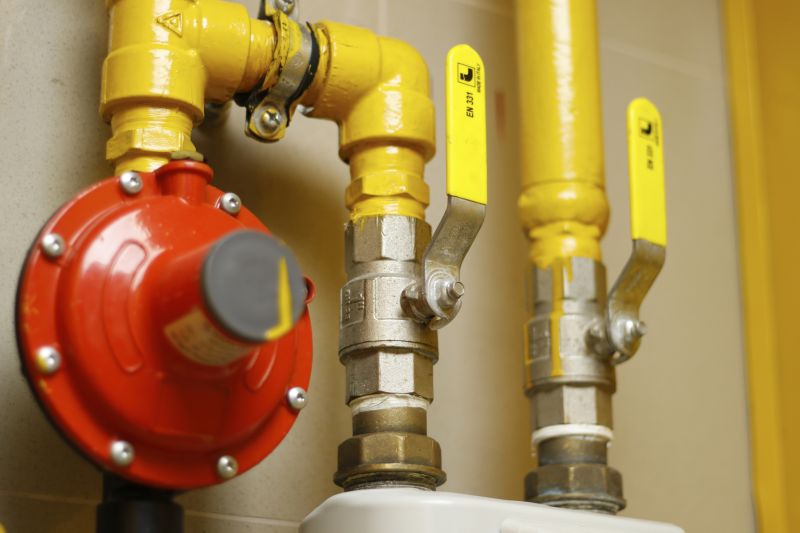
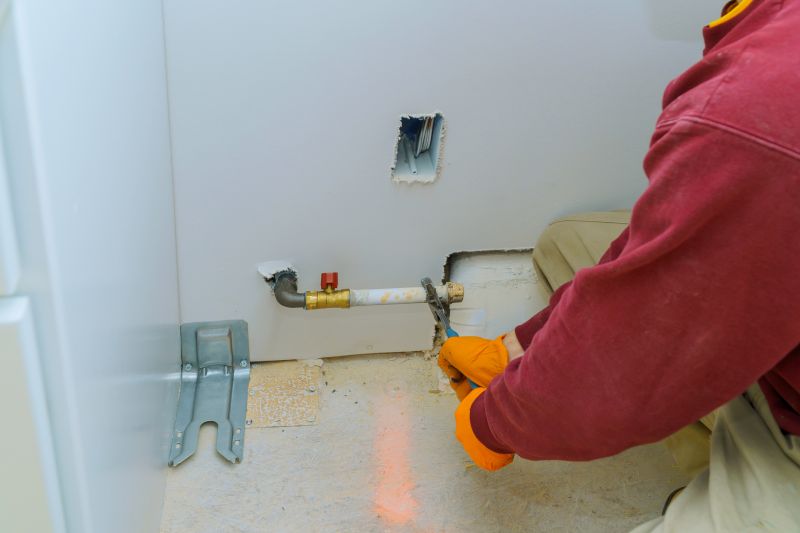
Gas line relocation services are often needed when property owners are making changes to their outdoor spaces or structures. For example, if someone is planning to build a new deck, driveway, or extension that intersects with existing gas lines, a professional may need to move the lines to ensure safety and compliance. Additionally, property owners might require gas line adjustments during renovations or landscaping projects to accommodate new layouts or meet local code requirements.
Local contractors who specialize in gas line relocation can assist with a variety of everyday situations. Whether it's rerouting lines to avoid obstacles, replacing aging infrastructure, or ensuring proper clearance from new construction, these service providers help property owners address practical needs efficiently. Connecting with experienced local pros can make the process smoother and help ensure the work is handled safely and correctly.
What is involved in relocating a gas line? Gas line relocation typically includes planning the new route, obtaining necessary permits, and safely installing the new piping according to local codes and standards.
Are there any permits required for gas line relocation? Yes, most areas require permits for gas line work to ensure safety and compliance with local regulations. Local contractors can assist with permit acquisition.
Can I relocate my gas line myself? Gas line relocation is a complex task that should be performed by qualified professionals to ensure safety and code compliance. DIY attempts are not recommended.
What types of local service providers handle gas line relocation? Licensed plumbing or gas contractors with experience in gas line work are typically equipped to handle gas line relocation projects.
How do local contractors ensure the safety of gas line relocation? They follow established safety protocols, use proper materials, and adhere to local building codes to ensure the safe installation of relocated gas lines.
Property Expansion Projects - Relocating gas lines can facilitate home additions or renovations, ensuring safe and compliant connections for new structures.
Outdoor Kitchen Installations - Moving gas lines allows for the setup of outdoor cooking areas without the risk of interference with existing utilities.
Landscaping and Yard Improvements - Gas line relocation can support new landscaping features or outdoor living spaces by rerouting connections safely underground.
Garage or Workshop Setup - Adjusting gas lines can enable the installation of appliances or heating systems in new or remodeled garage and workshop spaces.
If you are thinking about Gas Line Relocation for a property, this guide is meant to help you understand the work, the typical project types, and how different options might fit your plans.
When you are ready, you can use the quote form on this page to share a few details about your project. From there, local pros can review the basics and respond with options that match what you have in mind.