Customized Gas Piping for Residential and Commercial Spaces
Natural gas piping systems are essential components for the safe and efficient delivery of natural gas from production facilities to residential, commercial, and industrial users. These piping networks are designed to withstand high pressures and environmental conditions, ensuring reliable service across diverse settings. Proper installation and maintenance of natural gas pipelines are critical to prevent leaks, ensure safety, and maintain optimal performance.
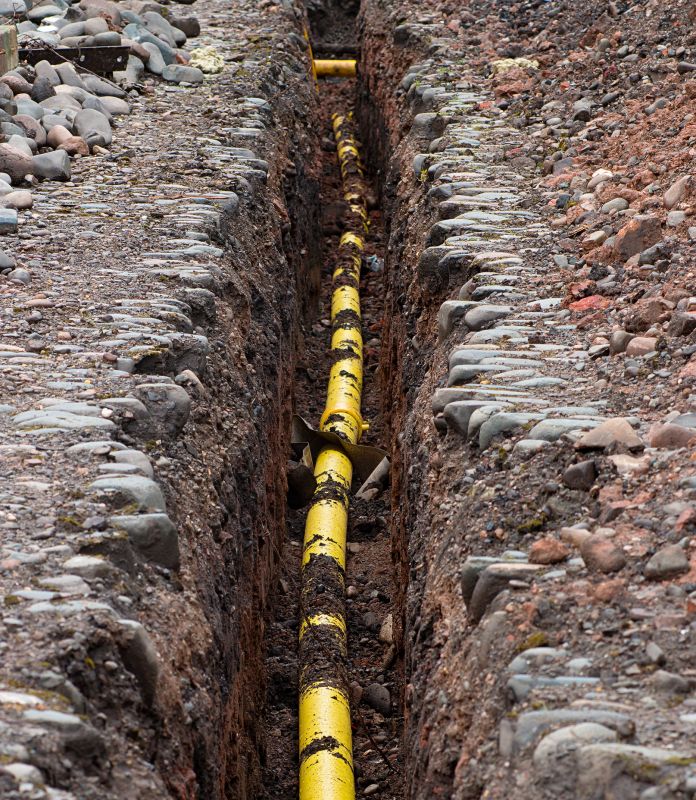
Underground pipelines are commonly used for long-distance natural gas transmission, offering protection from environmental factors and physical damage.
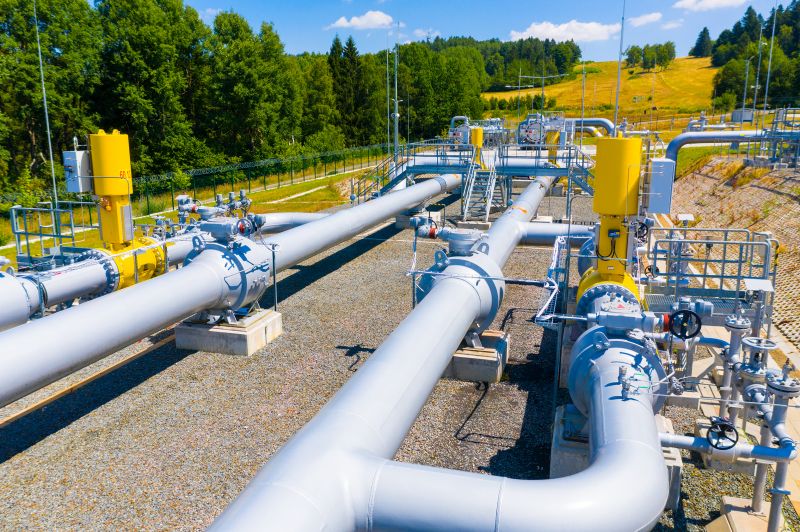
Specialized equipment facilitates the precise installation of pipelines, ensuring alignment and secure connections.
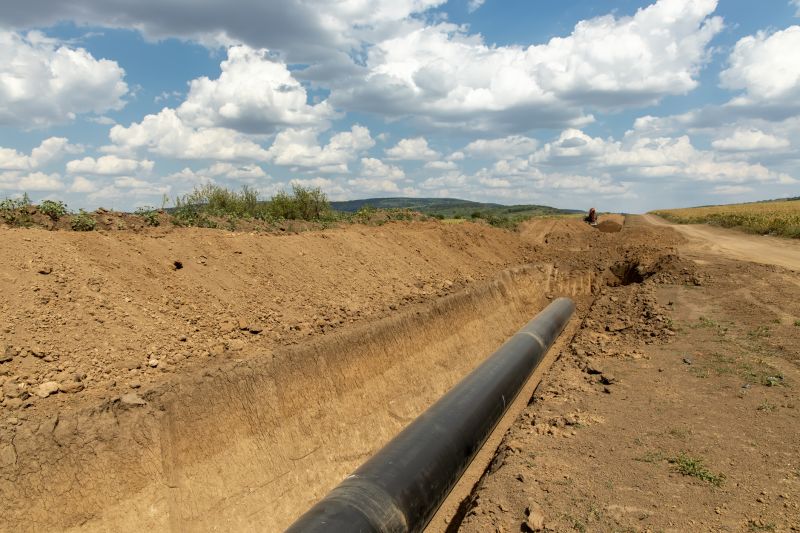
Inspection tools and techniques are employed to monitor pipeline integrity and detect potential issues early.
The process of installing natural gas piping involves several stages, starting with planning and route assessment, followed by trenching, pipe laying, welding, and testing. Skilled professionals typically complete this process within a timeframe that depends on the project scope, usually ranging from a few days to several weeks. Accurate planning and adherence to safety standards are vital throughout each phase to ensure a durable and secure piping system.
Professional installation of natural gas pipelines typically takes from a few days to several weeks, depending on project complexity and site conditions.
The process includes planning, excavation, pipe fitting, welding, pressure testing, and final inspection to ensure safety and reliability.
Experts ensure compliance with safety standards, proper material use, and secure connections, reducing future risks.
At the completion of a natural gas piping project, the system should be thoroughly tested for leaks and safety. Proper documentation and inspection confirm that the installation meets all required standards. Visual confirmation of the completed work often includes above-ground connections, pressure tests, and system checks to verify integrity.
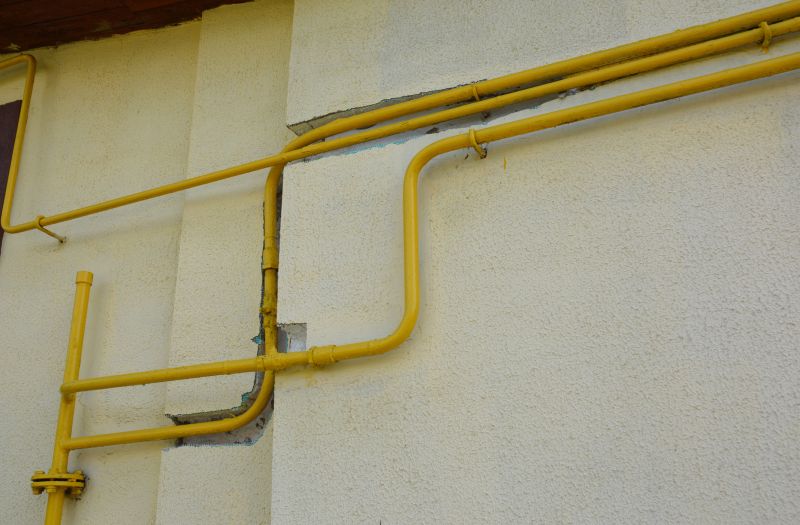
Finished installations show secure connections and proper routing, ready for service.
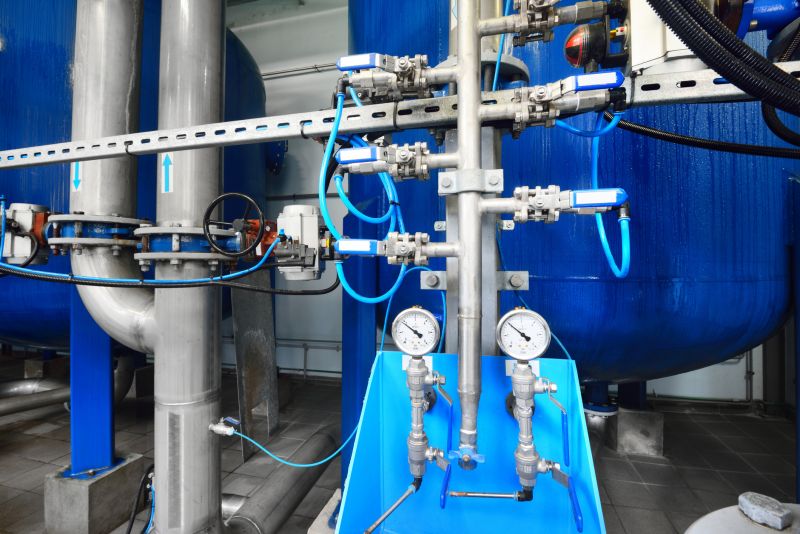
Tools used to verify the integrity of the pipeline after installation.
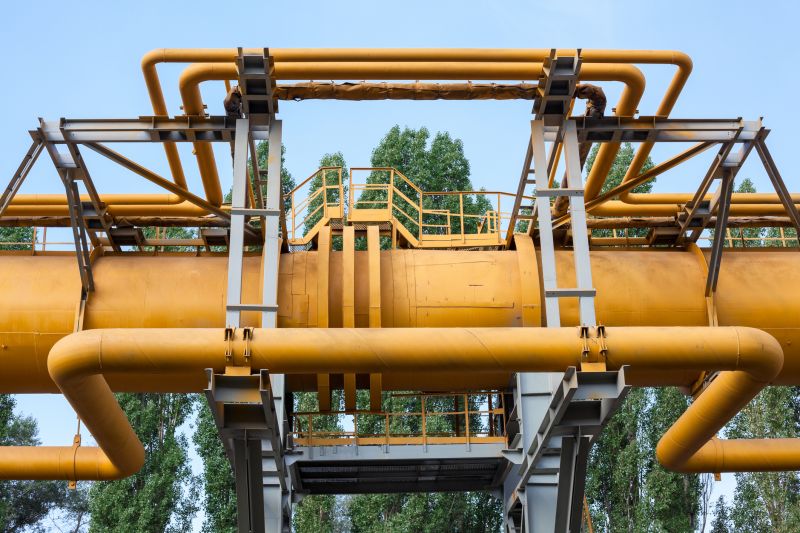
Inspectors review the completed system to ensure compliance and safety.
Properly installed natural gas pipelines are critical for safety and efficiency. Regular inspections and maintenance help sustain system integrity and prevent potential hazards. Ensuring that the piping system is correctly installed by qualified professionals minimizes risks and supports long-term performance.
Those interested in obtaining a quote for natural gas piping installation are encouraged to contact through the provided form. Detailed project information and site specifics will help facilitate accurate estimates and scheduling.