
Ultimate Guide to Natural Gas Piping Supplies for Industry Experts
Find out which high-quality piping products are favored by professionals for safe and efficient natural gas transportation.
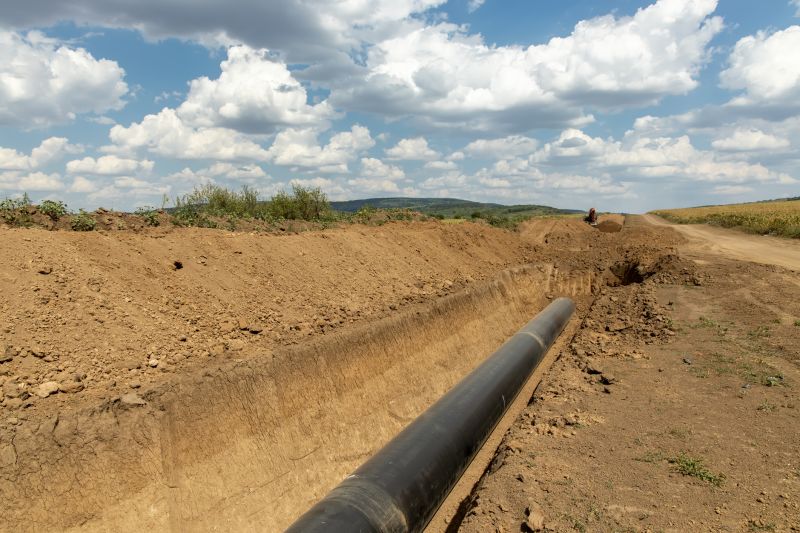 Natural gas piping systems are essential components in residential, commercial, and industrial settings where natural gas is used for heating, cooking, or power generation. These systems require careful selection of appropriate products to ensure safety, durability, and reliable performance. The variety of piping materials and accessories available allows for customization based on specific installation needs, local codes, and safety standards. Proper installation and maintenance are crucial to prevent leaks, ensure efficient gas flow, and maintain compliance with regulatory requirements.
Top Overall Option
Steel Gas Pipe and Fittings Kit
A comprehensive steel pipe and fittings kit designed for durability and safety in natural gas piping systems. It includes various pipe sizes, elbows, tees, and connectors, all made from high-grade steel to withstand high pressure and environmental factors. This versatile kit is suitable for both indoor and outdoor installations, providing a reliable foundation for natural gas infrastructure.
Types of Products For Natural Gas Pipings
Steel Gas Pipes
Heavy-duty pipes designed for high-pressure applications, offering strength and longevity.
Copper Gas Pipes
Corrosion-resistant pipes suitable for indoor gas distribution systems.
Flexible Gas Connectors
Flexible hoses that connect appliances to the main gas line, allowing for easier installation.
Gas Fittings and Couplings
Connectors, elbows, and tees that join segments of piping securely and safely.
Gas Valves
Control valves for shutting off or regulating gas flow within the system.
Pressure Regulators
Devices that maintain consistent gas pressure in the piping system.
Sealants and Thread Compounds
Materials used to ensure leak-proof connections at joints and fittings.
Gas Piping Insulation
Insulation materials to protect pipes from temperature fluctuations and damage.
Underground Gas Pipe Coatings
Protective coatings designed for underground piping to prevent corrosion.
Gas Pipe Supports and Hangers
Support systems to secure piping and prevent sagging or movement.
Leak Detection Devices
Tools and sensors for identifying leaks in gas piping systems.
Gas Meter Connectors
Adapters and connectors designed for attaching meters to the piping system.
Indoor Gas Piping Systems
Complete piping solutions designed specifically for indoor installation.
Outdoor Gas Piping Systems
Durable piping options suitable for outdoor environments and exposure.
Popular Choices
Widely used for connecting appliances to main lines, offering ease of installation.
Commonly installed for safety and control in gas systems.
Popular for indoor applications due to corrosion resistance and ease of handling.
Preferred for high-pressure and outdoor applications for their durability.
Essential for maintaining safe and consistent gas flow in various systems.
Versatile connectors used in most natural gas piping setups.
Increasingly popular for ongoing safety monitoring.
Frequently chosen for residential indoor installations.
Designed for outdoor use, resistant to weather and corrosion.
Commonly used to secure piping in various installation environments.
Popular for ensuring leak-proof joints during assembly.
Selected for underground installations requiring corrosion protection.
Materials used in natural gas piping typically include steel, copper, and flexible connectors, each offering different advantages depending on the application. Steel pipes are known for their strength and longevity, making them suitable for underground or high-pressure applications. Copper pipes provide corrosion resistance and ease of installation but are often used in smaller or indoor systems. Flexible connectors and fittings enable easier installation around obstacles and in tight spaces, reducing the risk of stress-related failures.
In addition to pipes, a range of accessories such as valves, fittings, regulators, and sealants are vital for creating a secure and functional gas piping network. Valves allow for control and shut-off capabilities, while pressure regulators help maintain consistent gas flow. Proper sealing and jointing materials ensure that connections remain leak-proof over time. When selecting products, it is important to consider compatibility with the specific gas type, pressure ratings, and local building codes to ensure safe and compliant installations.
Overall, choosing the right products for natural gas piping involves understanding the specific requirements of the system, including pressure, environment, and safety considerations. Regular inspection and maintenance of these components are recommended to uphold safety standards and ensure the longevity of the piping system. By carefully selecting high-quality, appropriate products, users can create a reliable and safe natural gas infrastructure tailored to their needs.
Key Buying Considerations
- Compatibility with the type of natural gas used in your system
- Pressure ratings suitable for your application and local codes
- Material durability and resistance to corrosion or environmental factors
- Ease of installation and connection, especially for complex layouts
- Availability of compatible fittings, valves, and accessories
- Compliance with local building and safety regulations
- Size and diameter appropriate for your flow requirements
- Flexibility of piping for installation around obstacles
- Leak-proof sealing capabilities of joints and fittings
- Resistance to temperature fluctuations and external weather conditions
- Ease of maintenance and inspection access
- Cost-effectiveness over the lifespan of the system
- Brand reputation and product quality standards
- Availability of support or warranties from suppliers
- Compatibility with existing piping infrastructure